Is Heroin Chic Back?
If you've spent any time on social media in the past year, you've likely noticed the cultural obsession with Ozempic. When the drug first gained popularity among celebrities as a weight loss shortcut, I assumed it would stay confined to Hollywood, another tool for the wealthy to reshape their appearances, far removed from everyday life. I could not have been more wrong.
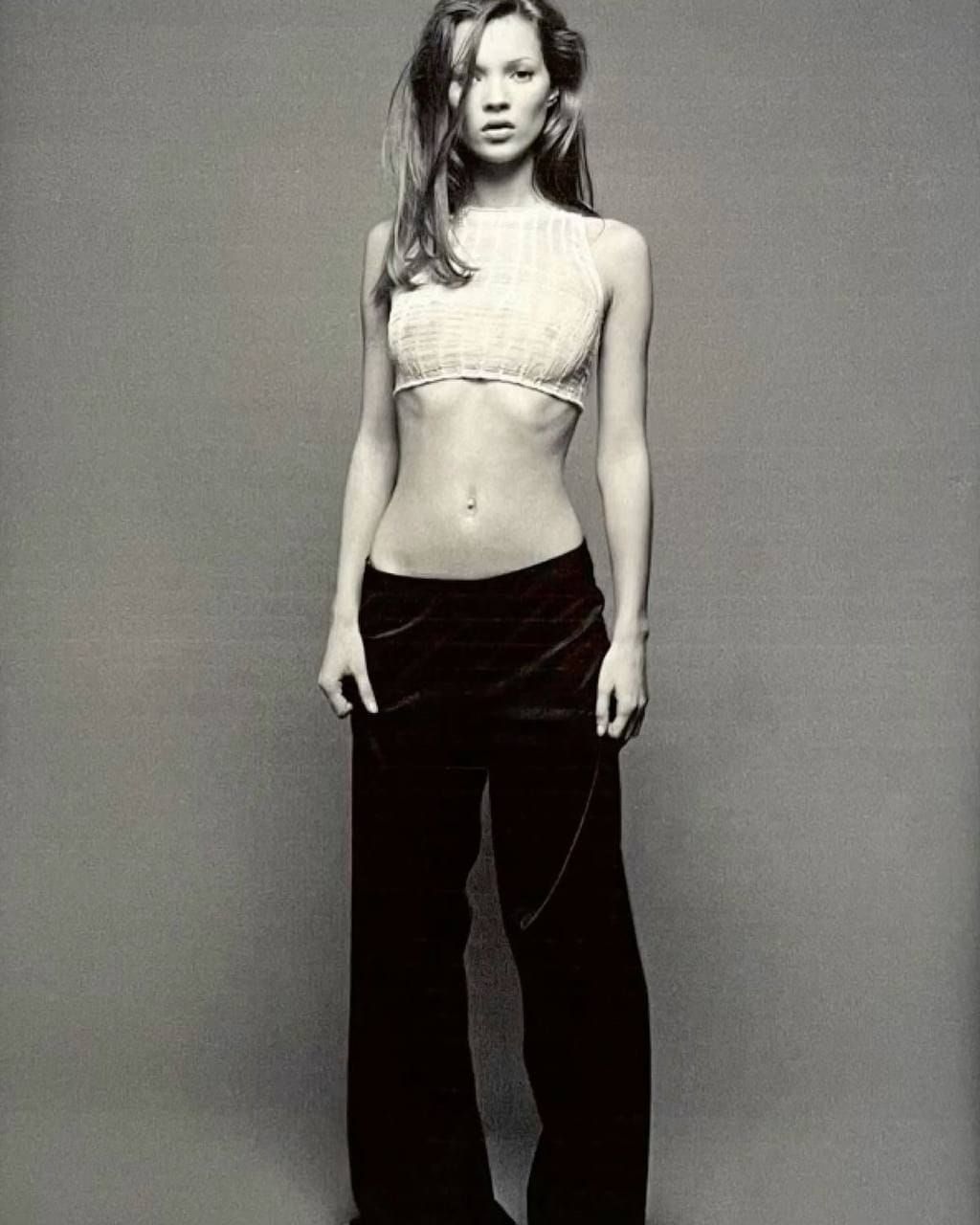
Ozempic and its counterparts are everywhere now, used by people who medically need them and many who don't. Extreme thinness is back in fashion, and it's being driven by several converging forces.
Before I go further, I want to be clear: I find it deeply troubling that body types can trend at all. It reduces women to objects, things to be looked at and evaluated, and reflects the misogynistic expectations women have been subjected to throughout history. All bodies are worthy. But it's not enough to simply reject these trends; we need to understand where they come from, why they resurface, and how we can resist them. And I don't think it's a coincidence that in a moment when women's rights and bodily autonomy are under serious political threat, the promoted beauty ideal is one that requires women to be physically diminished.
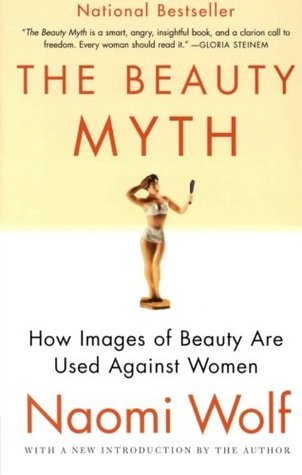
In my feminist theory class, we read The Beauty Myth by Naomi Wolf, which explores the politics of beauty and how body and figure trends are tools to control women. She writes, " During the past five years, consumer spending doubled, pornography became the main media category, ahead of legitimate films and records combined, and thirty-three thousand American women told researchers that they would rather lose ten to fifteen pounds than achieve any other goal. More women have more money and power and scope and legal recognition than we have ever had before; but in terms of how we feel about ourselves physically, we may actually be worse off than our unliberated grandmothers" (Wolf, 1990). This was written over 30 years ago, long before Roe v. Wade was overturned. The backbone of this overstratification of women's bodies has always been a tool of control and a symptom of misogyny.
"More women have more money and power and scope and legal recognition than we have ever had before; but in terms of how we feel about ourselves physically, we may actually be worse off than our unliberated grandmothers"
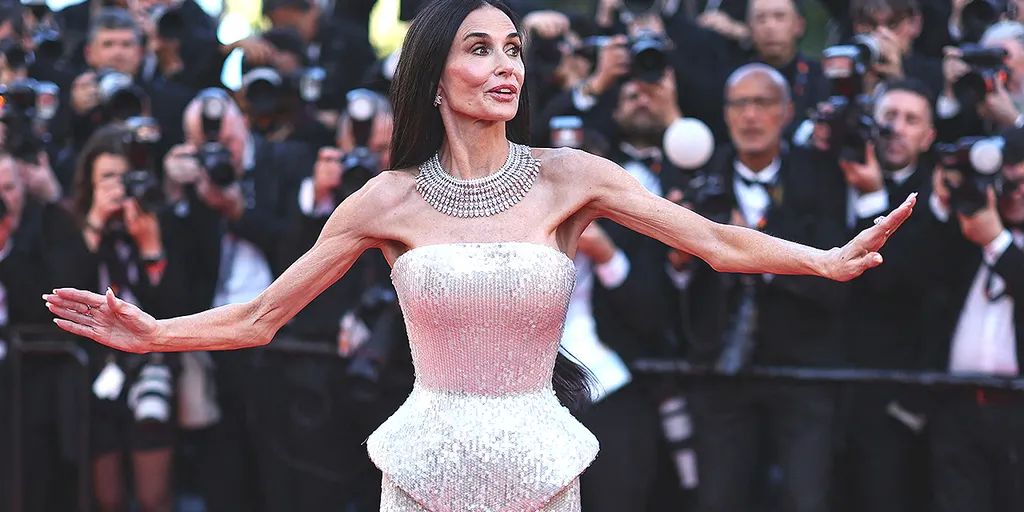
The women walking red carpets right now are disturbingly thin. I'm not interested in mocking anyone's body, but I do think there's a responsibility to name what we're seeing. When emaciated bodies are placed on pedestals and framed as aspirational, young girls absorb that message. I've been looking at photos from Cannes recently, and I'm genuinely alarmed by what I see. Not because thinness itself is shameful, but because some of these women appear unwell. Celebrating that as glamorous is dangerous.
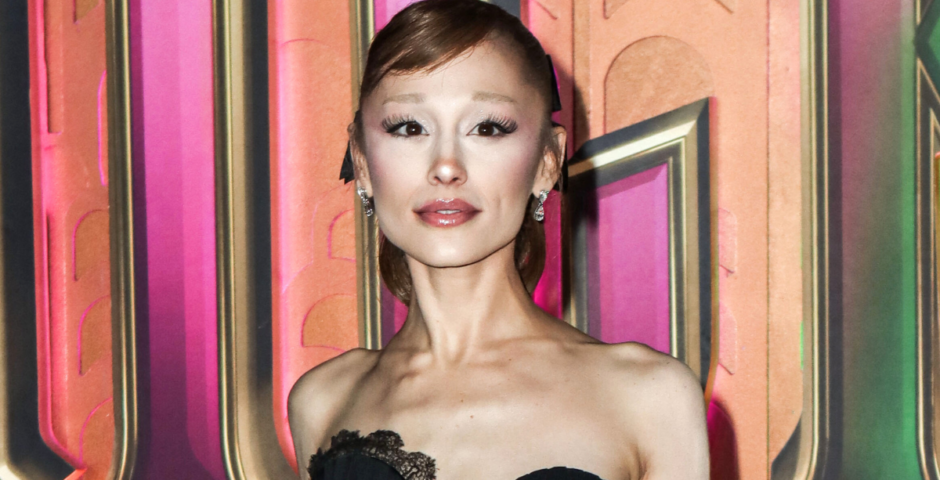
I'm 19, and I've lived this firsthand. There was a period where I wanted so badly to look like the women I saw on screen and in magazines that I started skipping meals, eating almost nothing, trying to shrink myself. What I got instead was hair loss, brain fog, constant fatigue, and a self-image that only got worse the smaller I got. Disordered eating is not a phase that you simply grow out of. The psychological damage lingers, and full recovery is rare.
When our culture normalizes the bodies of visibly underweight celebrities as goals, we are teaching girls that starvation is an achievement.
I think this trend is being driven by a few overlapping forces.
The first is political. We are living through a period of significant rollback on women's rights. Misogyny has become increasingly mainstream, and the pressure for women to be smaller (quieter, weaker, less physically present) feels connected to that. The expectation that women shrink is never just about aesthetics.
The second is fashion. Late '90s and early 2000s styles are cycling back — low-rise jeans, skinny cuts, silhouettes that have historically been marketed as flattering only on very slim bodies. I hear girls my age tearing themselves apart for having a "muffin top," punishing themselves for not fitting into clothes that were never designed to accommodate a range of body types. That shame, combined with the easy availability of GLP-1 medications like Ozempic and Wegovy, and the broader wellness supplement industry, creates a perfect environment for disordered eating to flourish while being framed as "health."
I asked a few friends at my college to share their perspectives. I've given them pseudonyms to protect their privacy.
Jane, 20: "I definitely think there's a new body standard, even here on campus. People make more comments about skipping meals, or pass judgment on what you're eating."
Mandy, 19: "I catch myself looking at very skinny girls and wishing I looked like them, even though I've never been considered 'big.' I think it's something that's trending, and especially with social media, there's a lot of pressure to fit in."
Christina, 20: "In photos especially, you can see girls pushing out their collar bones, basically trying to show their bones."
The body positivity movement of the 2010s can start to feel, in retrospect, like a brief interruption rather than a lasting shift. But there is meaningful pushback happening online and in culture. People are angry, and they're saying so. That gives me some hope.
I want to acknowledge that beauty standards are shaped by far more than what I've covered here: race, class, global politics, and media economics. This piece is a starting point, not a complete picture. What I know is that this moment calls for resistance: a genuine refusal to internalize the message that women should take up less space. Especially right now. We cannot afford to be made small.
Love you all,
xoxo Lola
Sources referenced/used:
 Naomi Wolf